


Parts stopped walking off the shelf.
A machinery dealer running 200 workshop jobs a month, with a stock figure that was never accurate because parts went out the door on jobs and never made it onto an invoice.
- Every hour Charged to the job it was worked on
- Every part Captured against the job it went on
- 20,000 items One stock figure across the shop counter and workshop
Where the money was going
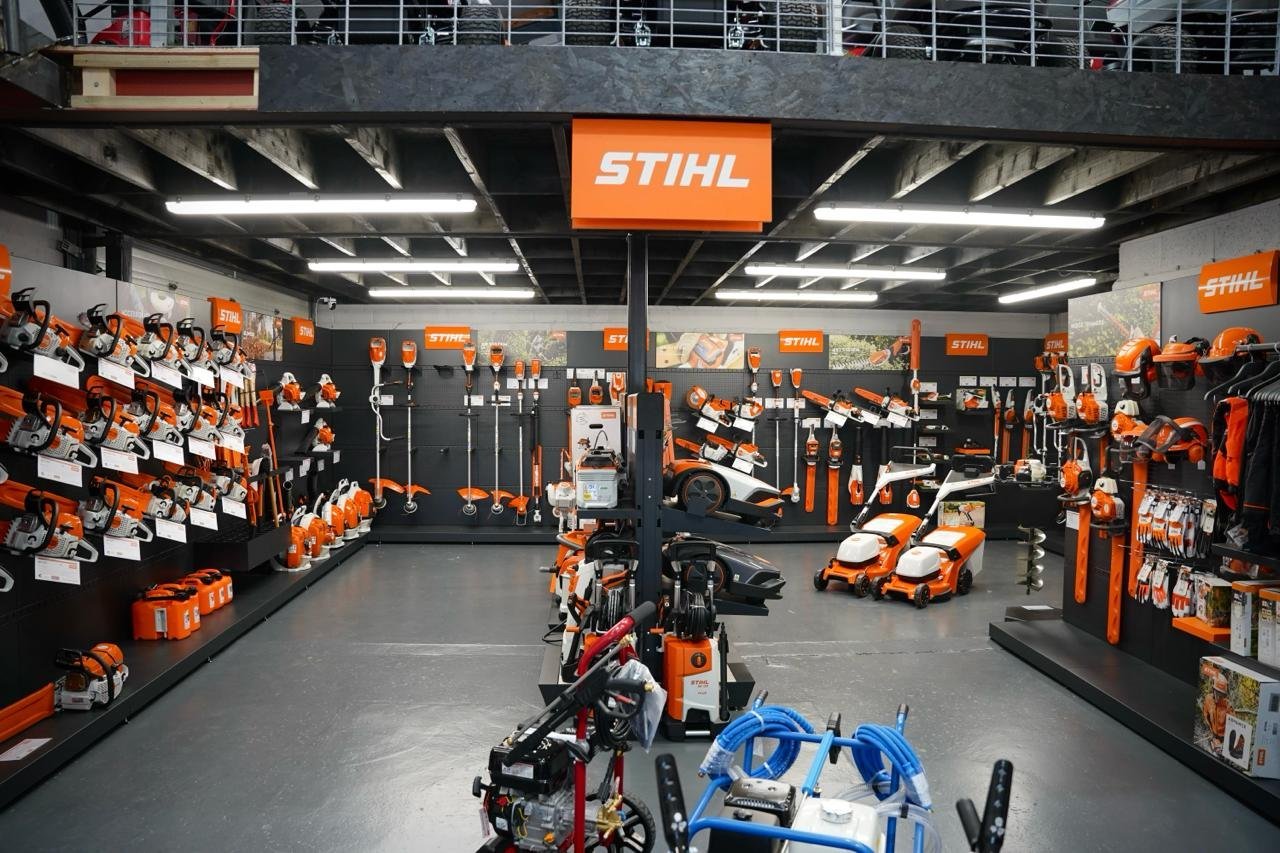
MD Burke are a family run machinery dealer in Cashel, Co. Tipperary. Main dealers for STIHL and John Deere, with a workshop, a tool hire fleet and nationwide delivery on top of the counter trade.
Parts went missing between the shelf and the invoice. A mechanic took what he needed for a job and whether it ended up on the customer's bill depended on somebody remembering to write it down. So parts went out the door unpaid for and the stock figure on the system was never what was actually on the shelf.
That made every ordering decision a guess. They were sitting on stock of things that were not moving and running out of the parts they needed on a Tuesday morning with a machine in bits on the bench.
Everything else was typed twice. Supplier delivery dockets were keyed in line by line to move stock and update costs. Invoices raised at the counter were re-entered into the accounts package by hand and the two disagreed any time somebody forgot. A won quote was retyped as an invoice. The workshop ran on paper job cards and a whiteboard, the hire fleet on a page-a-day diary, and jobs were being invoiced up to three weeks after they were finished.
What we built
One system covering the counter, the workshop and the hire fleet. One customer record, one stock figure, one set of numbers across all three. Six months from start to go-live.
Parts get reserved against a job the moment they are earmarked, before they leave the shelf. Completing a job deducts the stock for every part fitted and raises the invoice in one action, with the labour timed against it. Nothing depends on anyone remembering.
Supplier delivery dockets get uploaded as a PDF and read line by line. Each line is matched against the catalogue by SKU, then barcode, then product name, and anything unmatched is flagged as new. It lands as a draft to check before a single unit moves, so the most repetitive job in a parts business became a review instead of a typing job.
Invoices push straight to the accounts package the moment they are issued, with line items, VAT and discounts intact. A quote converts to an invoice without anyone retyping it. Counter staff can see a customer's live balance and available credit on screen rather than ringing the office to ask.
The till keeps trading when the broadband drops. Sales queue offline and sync when the line comes back and they cannot be charged twice.
What changed
Parts stop disappearing between the shelf and the invoice. They are tied to a job before they move, so what went onto the machine is what goes onto the bill.
The stock figure is accurate now, which means ordering is a decision instead of a guess. They are not tying up money in parts that sit there and they are not caught short on the ones that actually move.
Invoices that used to go out up to three weeks late now go out the same day and around seven hours a week of manual entry has gone with them.
Roughly 200 jobs a month run through the workshop on it and a visit no longer starts from zero. The machine's history is on file against its serial number, so the mechanic knows what was done last time before he picks up a spanner.
- The most repetitive job in a parts business became a review instead of a typing job. Supplier dockets get read from the PDF and land as a draft to approve.
- A broadband drop no longer stops the counter trading and nothing gets charged twice when the line comes back.
-
The workshop floor, where every repair runs on the job pipeline.
-
One system across the counter, the workshop and hire.
-
Hire managed on the same customer record as sales and service.